
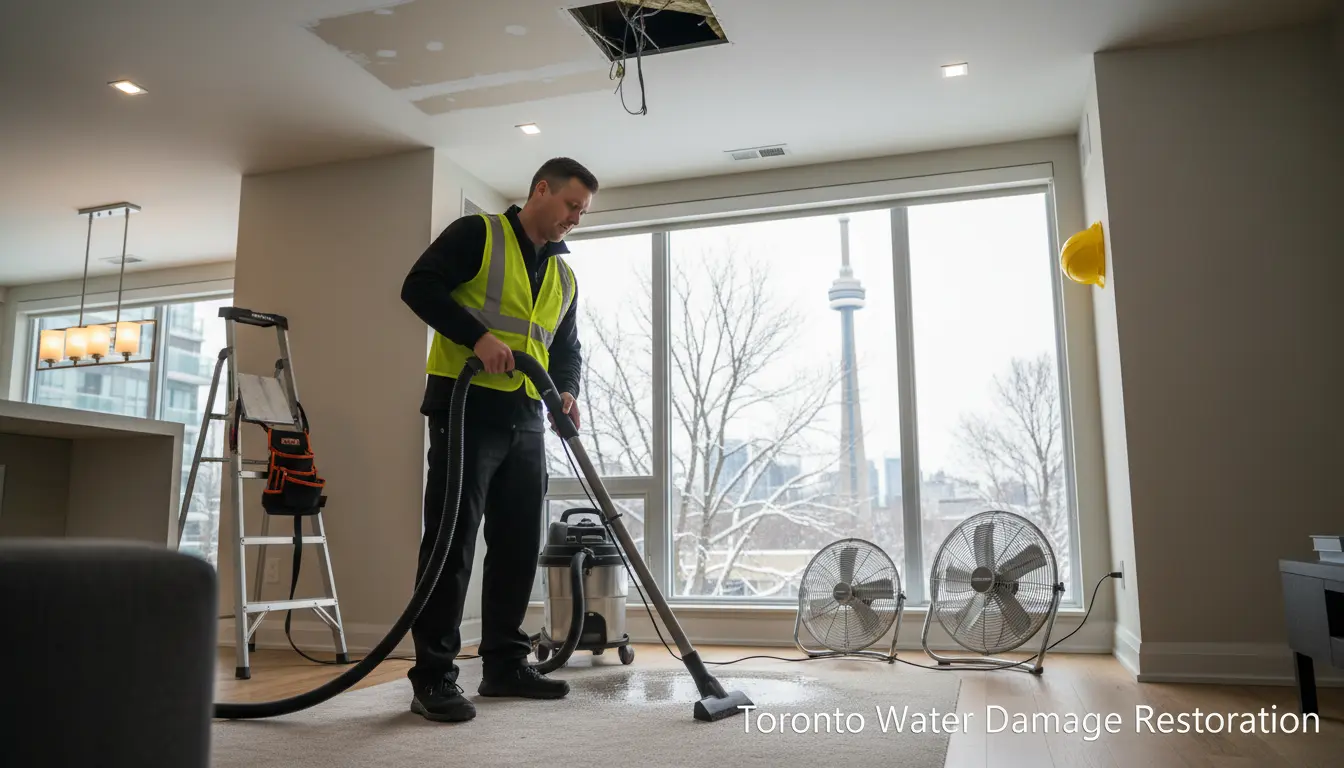
Imagine this: It’s a frigid Toronto night, snow piling up on your roof, and suddenly you hear the drip-drip of water inside your home. A winter roof leak isn’t just an inconvenience—it’s a potential disaster that can lead to structural damage, mould growth, and costly repairs. As residents of the Greater Toronto Area know all too well, our harsh winters with freeze-thaw cycles and heavy ice buildup make roofs especially vulnerable. But don’t panic. At Toronto Water Damage Restoration, we’ve helped countless homeowners in neighbourhoods like High Park and Forest Hill navigate these emergencies.
In this guide, we’ll walk you through what to do if your roof starts leaking during winter. From spotting the signs early to calling in the pros, you’ll get practical, actionable advice tailored to Toronto’s unique climate. Remember, quick action can save you thousands in restoration costs. Let’s dive in.
Understanding Winter Roof Leaks in Toronto
Toronto’s winters are notorious for their severity, with average temperatures dipping below freezing and snowfall totals often exceeding 120 cm annually. These conditions create the perfect storm for roof leaks. Ice dams, for instance, form when snow melts on warmer parts of your roof and refreezes at the edges, blocking drainage and forcing water back under shingles.
Common Causes of Roof Leaks in Winter
- Ice Dams: A top culprit in Toronto homes. Heat from your attic escapes, melting snow above, which then refreezes in gutters and eaves. Water seeps under the roof covering, leading to interior leaks.
- Shingle Damage from Freeze-Thaw Cycles: Our fluctuating temperatures cause materials to expand and contract, cracking shingles or loosening flashing around chimneys and vents.
- Clogged Gutters: Leaves from fall, combined with ice, block gutters, causing overflow and water intrusion.
- Tree Branches or Debris: Heavy snow can weigh down overhanging branches from nearby parks like those in Rosedale, damaging roofs during storms.
- Aging Roofs: If your home in areas like Vaughan hasn’t had a roof inspection in years, winter accelerates wear and tear.
Recognizing these causes early can prevent minor issues from escalating. If you suspect damage, inspect your attic for damp spots or listen for unusual sounds during thaws.
Immediate Steps to Take When You Discover a Leak
Time is critical when dealing with a winter roof leak. Water can spread quickly, saturating insulation, drywall, and wooden beams. Here’s what to do right away:
-
Stay Safe First: Toronto winters mean slippery roofs and icy conditions. Never attempt to climb up yourself—fall risks are high. If you’re comfortable, use a sturdy ladder from a safe distance to assess exterior damage.
-
Locate and Contain the Leak Indoors: Place buckets or shallow pans under the drip to catch water. Move furniture and valuables away from the affected area. Cover them with plastic sheeting to protect against further moisture.
-
Turn Off Ceiling Fixtures if Needed: If the leak is near lights or fans, shut off power at the breaker to avoid electrical hazards. Toronto’s old wiring in heritage homes in Davisville Village can make this especially important.
-
Ventilate the Area: Open windows if temperatures allow, but in sub-zero weather, this might not be feasible. Instead, use fans to circulate air and reduce humidity buildup.
-
Document the Damage: Take photos and videos for insurance claims. Note the time and weather conditions—Environment Canada’s records can corroborate your story.
These steps buy you time, but they’re not a fix. For rapid water extraction, consider our emergency water removal services, available 24/7 across Toronto.
Temporary Fixes to Protect Your Home
While waiting for professional help, you can implement some DIY measures to stem the flow. These are band-aids, not cures, but they’re essential in Toronto’s unpredictable weather.
Sealing the Leak from Inside
- Use Tarps or Plastic Sheets: Secure heavy-duty plastic over the ceiling hole with tape. This prevents water from worsening during rain or melt events.
- Apply Roof Cement or Sealant: If you can safely access the exterior (perhaps from a neighbour’s extension ladder), spread roofing cement over damaged shingles. Hardware stores like Home Depot in Toronto stock winter-grade options.
Preventing Further Ice Buildup
- Install Heat Cables: For recurring ice dams, plug-in heat cables along the roof edge can melt ice safely. They’re available at local suppliers and are a smart investment for Toronto homeowners.
- Improve Attic Insulation: Ensure your attic is well-insulated to minimize heat loss. This reduces melt-freeze cycles. If you’re in a drafty older home, our team can advise on energy-efficient upgrades post-restoration.
Clearing Gutters Safely
Hire a professional for this if possible, but if safe, use a gutter scoop from the ground with an extension pole. Avoid during active storms—wait for a lull. Clogged systems exacerbate leaks, leading to the need for flood damage restoration.
Remember, these fixes are temporary. Persistent leaks can lead to hidden damage, like warped floors or mould in walls.
When to Call Professional Water Damage Restoration
If the leak is severe—water pouring in, large wet areas, or signs of structural compromise—don’t delay. Contact experts immediately. In Toronto, where winters can last until April, untreated water damage worsens fast due to cold temperatures slowing drying.
At Toronto Water Damage Restoration, we specialize in winter emergencies. Our IICRC-certified technicians arrive equipped for dehumidification services to extract moisture and prevent mould. We use industrial-grade equipment to dry your home thoroughly, even in hard-to-reach spots.
Signs You Need Pros Now
- Water spreading beyond one room
- Foul odours indicating bacterial growth
- Visible mould starting to form (black spots on walls)
- Sagging ceilings or buckling floors
We serve all of Toronto, from bustling downtown to suburbs like Vaughan. Call us at (647) 365-5975 for a free assessment. Our response time is under an hour in most cases.
Long-Term Prevention Strategies for Toronto Roofs
Once the immediate crisis is handled, focus on prevention to avoid repeats next winter.
Regular Roof Maintenance
Schedule annual inspections, ideally in fall before snow hits. Check for loose shingles, damaged flashing, and clear debris. Toronto’s bylaw requires safe roof conditions, and pros can ensure compliance.
Upgrading Your Roof
Consider metal roofing or impact-resistant shingles designed for Canadian winters. They shed snow better and withstand ice better than asphalt.
Attic and Insulation Improvements
Proper ventilation prevents moisture buildup. Install ridge vents or soffit vents. For odour issues post-leak, our odour control treatment can neutralize smells without harsh chemicals.
Insurance and Home Protection Plans
Review your policy for roof leak coverage. Many Toronto insurers offer riders for ice dam damage. Consider extended warranties for peace of mind.
By implementing these, you’ll safeguard your home against Toronto’s elements year-round.
FAQ: Winter Roof Leaks in Toronto
1. How quickly should I act on a roof leak in winter?
Immediately—within hours. Water freezes and expands, causing more damage. Delaying can lead to mould, which thrives in damp, cold conditions.
2. Will my homeowner’s insurance cover winter roof leaks?
Often yes, especially for sudden events like ice dams. Exclusions apply for neglect, so document everything and file promptly. We’re happy to guide you through claims.
3. Can I repair a leaking roof myself in winter?
Minor exterior patches, maybe, but interior water damage requires pros. DIY risks further harm, like electrical fires or structural issues.
4. How does Toronto’s weather contribute to roof leaks?
Freeze-thaw cycles and heavy snow create ice dams and stress materials. Lake-effect snow from Lake Ontario intensifies this in areas like High Park.
5. What if the leak causes biohazards like mould?
Mould grows fast in wet winters. Our biohazard remediation team handles safe removal, protecting your family’s health.
Conclusion: Protect Your Toronto Home Today
A winter roof leak can feel overwhelming, but with the right steps, you can minimize damage and restore your peace of mind. From containing the water to preventing future issues, knowledge is your best defence against Toronto’s tough winters.
Don’t let a small leak turn into a major headache. Contact Toronto Water Damage Restoration at (647) 365-5975 for expert, compassionate service. We’re local, licensed, and ready to help 24/7. Your home deserves the best—let’s get it dry and safe together.