
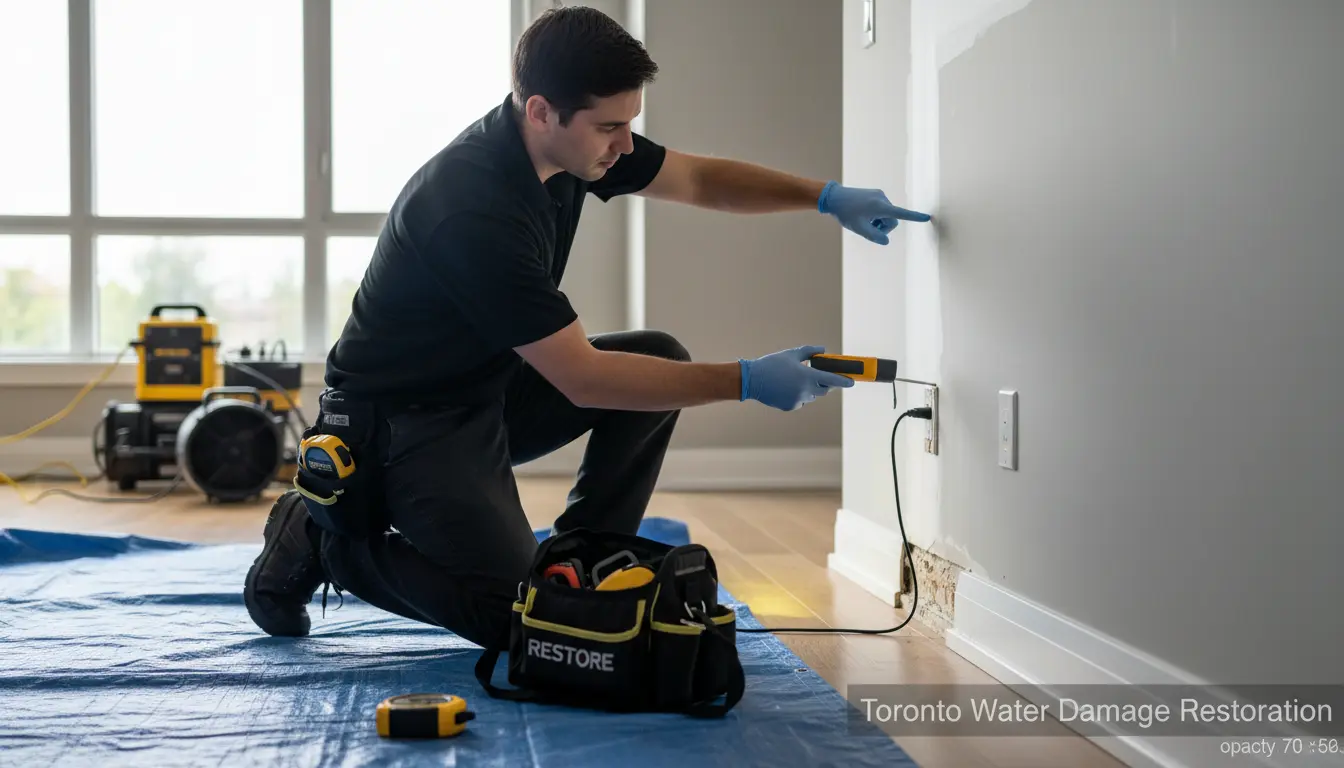
Living in Toronto’s unpredictable climate means dealing with everything from heavy spring rains to winter snowmelt. These elements can lead to sneaky water damage that creeps into your home unnoticed. As a homeowner in areas like Yorkville or downtown Toronto, you might not spot the issue until it’s a major problem—think mould growth, structural weakening, or skyrocketing repair costs. But fear not! At Toronto Water Damage Restoration, we’re here to help you identify and tackle these hidden threats early.
In this guide, we’ll explore five subtle signs of hidden water damage specific to Toronto homes. We’ll also share practical tips to prevent escalation and when to call in the pros. Spotting these early can save you thousands and keep your family safe. Let’s dive in.
Why Hidden Water Damage is a Big Deal in Toronto
Toronto’s weather patterns, including humid summers and freeze-thaw cycles, create the perfect storm for water infiltration. Basements in older homes around Yorkville are particularly vulnerable due to aging foundations and proximity to Lake Ontario’s moisture. Hidden damage often starts small but can lead to severe issues like rot, electrical hazards, and health risks from mould.
According to local building experts, undetected water issues contribute to over 20% of insurance claims in the GTA. Don’t let your home become a statistic. Regular vigilance is key, especially after heavy rains or snowstorms common in our city.
The Hidden Dangers: Mould, Structure, and More
Beyond aesthetics, hidden water damage compromises your home’s integrity. Wood framing can warp, drywall crumbles, and insulation loses effectiveness, driving up energy bills during Toronto’s chilly winters. Worse, mould spores thrive in damp environments, posing respiratory risks—especially concerning for families with kids or elderly members.
Sign 1: Musty Odours Lingering in the Air
One of the first clues isn’t always visible—it’s that persistent musty smell wafting from your basement or walls. In Toronto’s damp climate, this odour signals moisture trapped behind surfaces, fostering mould and mildew growth.
How to Detect and Address It
Sniff around after rain or in humid months like July. If the smell intensifies in specific rooms, investigate further. Practical tip: Use a dehumidifier to control humidity levels below 50%. For deeper issues, consider emergency water removal services to extract hidden moisture.
In Toronto homes near the Don River, flooding risks amplify this sign. Act quickly—musty smells won’t resolve on their own and can spread to HVAC systems, affecting air quality city-wide.
Sign 2: Warping or Buckling Floors and Walls
Ever notice your hardwood floors in the living room feeling uneven, or walls that seem slightly bowed? This warping is a classic indicator of prolonged moisture exposure, often from leaky pipes or poor drainage around your foundation.
Spotting It Early in Toronto’s Variable Weather
Toronto’s freeze-thaw cycles exacerbate this, causing soil expansion that pushes water towards foundations. Check for soft spots underfoot or doors that stick. Actionable advice: Inspect baseboards and trim for discoloration. If caught early, drying out the area with fans and professional assessment can prevent costly replacements.
For homes in flood-prone Yorkville, elevate valuables and ensure proper grading away from the house. If warping persists, it’s time for expert intervention to avoid structural compromise.
Sign 3: Discoloured or Peeling Paint and Wallpaper
Stains on ceilings or peeling paint in bathrooms aren’t just cosmetic. Yellowish or brownish spots often mean water seeping from above—perhaps a slow roof leak or plumbing issue.
Practical Inspection Tips
In Toronto’s older Victorian-style homes, this sign is common due to outdated roofing. Use a flashlight to check for water marks in attics or behind furniture. Tip: Apply a moisture meter to walls; readings above 15% warrant attention.
Prevent escalation by sealing cracks around windows and ensuring gutters direct water away from your home’s exterior. If you suspect roof involvement, pair this with emergency water removal to mitigate interior spread during our rainy seasons.
Sign 4: Increased Allergy Symptoms or Health Issues
Subtle but telling: If family members start experiencing unexplained allergies, coughs, or headaches, hidden water damage might be the culprit through mould spores in the air.
Linking Health to Home in Toronto
Our city’s high humidity, especially post-summer storms, accelerates mould in concealed spots like crawl spaces. Monitor for symptoms worsening indoors versus outdoors. Advice: Improve ventilation with exhaust fans in kitchens and baths, and run air purifiers.
Toronto health guidelines recommend professional mould testing if symptoms persist. Early detection prevents long-term respiratory problems, particularly in dense urban areas where air quality is already challenged.
Sign 5: Higher-Than-Usual Utility Bills
A spike in your water or hydro bill without explanation? Leaks behind walls or in slabs can waste hundreds of litres daily, quietly driving up costs.
Tracking and Fixing Leaks Locally
In Toronto, where water rates are rising, this sign hits hard. Check meters for unexpected usage. Tip: Conduct a DIY leak test by shutting off all taps and watching if the meter moves.
For slab leaks common in bungalows around the city, non-invasive detection is crucial. Contact specialists for thermal imaging to pinpoint issues without demolition. Addressing this promptly avoids foundation damage from prolonged saturation.
Practical Tips to Prevent Hidden Water Damage
Prevention is your best defence in Toronto’s climate. Here are actionable steps:
- Maintain Gutters and Downspouts: Clean them twice yearly to handle heavy rains from Lake Ontario squalls.
- Insulate Pipes: Prevent bursts during our harsh winters—focus on exposed lines in basements.
Toronto-Specific Advice
Given our urban density, ensure sump pumps are functional for basement protection. For high-rises, check condo association maintenance records. Regular home audits, especially after events like the 2013 flood, can catch issues early.
Incorporate smart home tech like leak detectors for real-time alerts. And remember, for any suspicion, Toronto Water Damage Restoration offers free consultations.
FAQ: Common Questions About Hidden Water Damage
What Should I Do If I Spot One of These Signs?
Don’t panic—document the issue with photos and isolate the area. Call professionals like us at (647) 365-5975 for a thorough inspection to prevent further damage.
How Much Does Water Damage Repair Cost in Toronto?
Costs vary from $1,000 for minor fixes to $10,000+ for extensive mould remediation. Early action keeps it affordable; insurance often covers if documented properly.
Is Hidden Water Damage Covered by Home Insurance?
Yes, typically for sudden events like bursts, but not gradual neglect. Review your policy and act fast to file claims.
How Long Does It Take for Mould to Grow After Water Exposure?
Mould can start in 24-48 hours in humid Toronto conditions. Speedy drying is essential.
Can I Fix Hidden Water Damage Myself?
Minor surface issues, yes—but for structural or hidden problems, pros ensure safety and compliance with local codes.
Conclusion: Act Now to Protect Your Toronto Home
Hidden water damage can lurk silently, but with these five signs—musty odours, warping, discolouration, health symptoms, and bill spikes—you’re equipped to stay ahead. In Toronto’s demanding environment, proactive care preserves your investment and peace of mind.
Don’t wait for disaster. If you suspect issues in your Yorkville home or elsewhere, reach out to Toronto Water Damage Restoration today. Our team specializes in swift, reliable solutions. Call (647) 365-5975 for immediate assistance or to schedule an inspection. Your home deserves the best—let’s keep it dry and safe!