
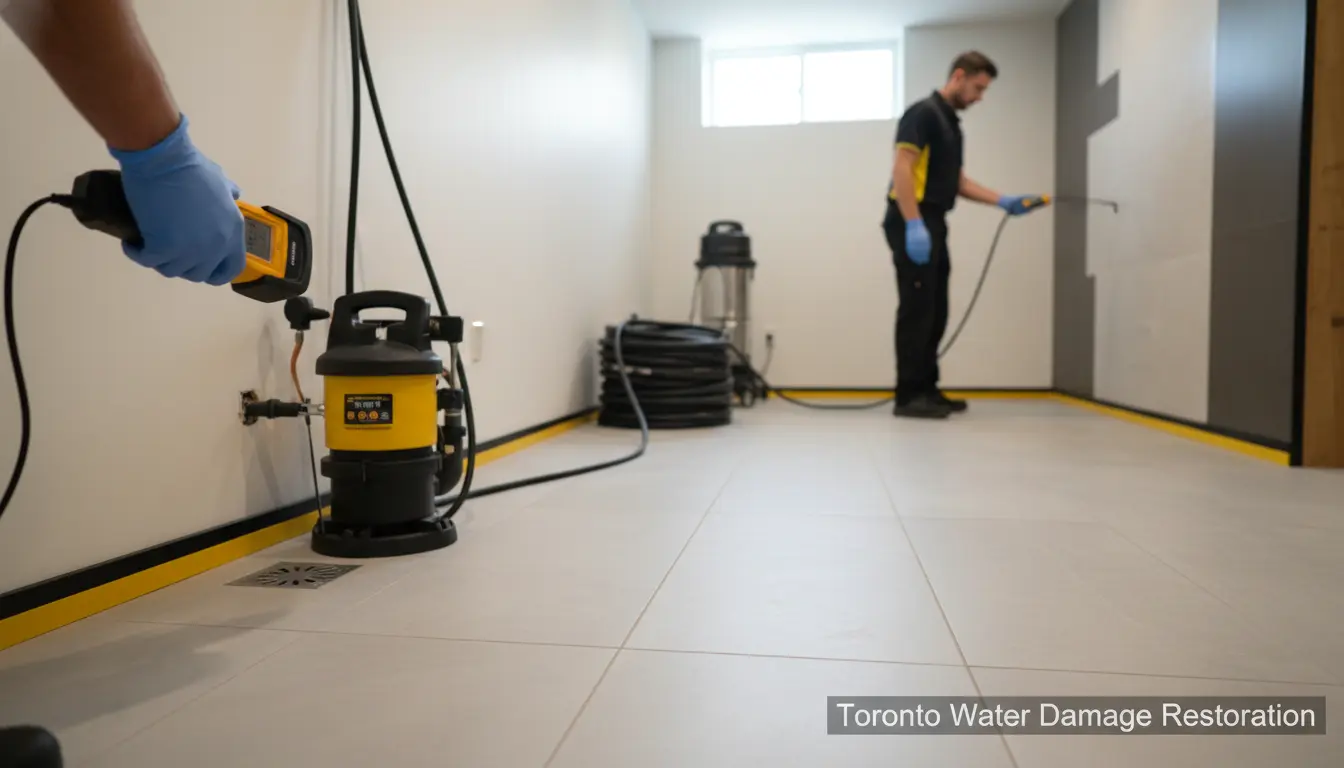
Living in Toronto means enjoying the vibrant city life, from strolling through High Park to exploring the beaches in The Beaches neighbourhood. However, with our unpredictable weather—think heavy spring rains and sudden summer downpours—basement flooding is a real threat to homeowners. A flooded basement can lead to structural damage, mould growth, and thousands in repair costs. At Toronto Water Damage Restoration, we’ve helped countless residents in Davisville Village and beyond recover from water woes. But prevention is always better than cure. In this guide, we’ll share practical, actionable tips to keep your basement dry and your home safe.
Whether you’re in Vaughan or Leslieville, understanding local risks like the Don River’s overflow during storms is key. Let’s dive into how you can protect your property.
Understanding Basement Flooding Risks in Toronto
Toronto’s climate, influenced by Lake Ontario, brings heavy rainfall that can overwhelm drainage systems. According to Environment Canada, the city sees over 800 mm of precipitation annually, much of it concentrated in short bursts. Combine this with aging infrastructure in older neighbourhoods like Leslieville, and basements become prime targets for water intrusion.
Common Causes of Basement Flooding
Basement flooding isn’t just about rain; it’s a mix of factors:
- Sewer Backups: During intense storms, Toronto’s combined sewer system can back up, pushing sewage into homes.
- Foundation Cracks: Settling soil around your home, especially in clay-heavy areas like High Park, can cause cracks that let water seep in.
- Poor Drainage: Clogged eavestroughs or improper grading direct water towards your foundation.
- Sump Pump Failure: Essential in low-lying areas like Vaughan, but these pumps can fail without regular checks.
By identifying these risks early, you can take proactive steps. For instance, if you’ve experienced minor leaks, consider our basement flood recovery services to assess and fortify your space.
Essential Prevention Tips for Your Toronto Home
Preventing basement flooding starts with simple maintenance and smart upgrades. Here’s how to fortify your home against Toronto’s wet weather.
1. Maintain Your Gutters and Downspouts
One of the easiest ways to prevent water pooling near your foundation is to keep your gutters clean. In fall, leaves from Toronto’s abundant trees can clog them, leading to overflow. Schedule bi-annual cleanings—spring and fall—and ensure downspouts extend at least 2 metres away from your house.
Install gutter guards to reduce debris buildup. In sloped areas like Davisville Village, direct water to street drains to avoid overwhelming your yard.
2. Improve Exterior Drainage
Proper grading is crucial. Ensure the soil slopes away from your foundation by at least 2.5 cm per metre for the first 3 metres. If your yard is flat, as in some parts of The Beaches, consider installing French drains or a sump pump system.
For severe cases, professional landscaping can redirect water effectively. If water damage has already occurred, our carpet water extraction team can help dry out affected areas quickly.
3. Install and Maintain a Sump Pump
Sump pumps are a homeowner’s best friend in Toronto’s rainy climate. Place one in the lowest part of your basement and test it monthly by pouring water into the sump pit.
Opt for a battery backup model to handle power outages during storms, common in Vaughan. Regular maintenance, like cleaning the pit and checking the float switch, ensures reliability.
4. Seal Foundation Cracks and Walls
Inspect your foundation annually for cracks. Hairline fissures can widen with freeze-thaw cycles in Toronto winters. Use hydraulic cement for small cracks or polyurethane injections for larger ones.
Waterproof your basement walls with a sealant or membrane. In humid spots like High Park, this also prevents moisture buildup that leads to mould—learn more about our mold remediation services.
5. Backwater Valves and Sewer Maintenance
Install a backwater valve on your main sewer line to prevent backups during heavy rains. Toronto bylaws encourage this in flood-prone areas.
Schedule annual sewer line inspections. If clogs are an issue, professional cleaning can save you from disasters.
Seasonal Strategies for Toronto Homeowners
Toronto’s four distinct seasons each bring unique challenges to basement protection.
Preparing for Spring Thaw and Rains
As snow melts, combined with April showers, flooding risks peak. Clear snow from around your foundation and ensure downspouts are clear. In Leslieville, where streets flood easily, elevate valuables in your basement.
Summer Storm Preparedness
Thunderstorms can dump 50 mm of rain in hours. Trim trees to prevent branches from blocking drains, and stock up on sandbags for low-lying homes in The Beaches.
Fall Leaf Management
Leaves aren’t just for raking—they clog everything. Gutter cleaning is non-negotiable. Also, aerate your lawn to improve drainage.
Winter Freeze Protection
Insulate exposed pipes to avoid bursts, which can flood basements indoors. In colder spots like Vaughan, heat tape on pipes adds extra security.
If a pipe bursts despite your efforts, our drywall repair and removal experts can restore your space swiftly.
When Prevention Isn’t Enough: Professional Help
Even with the best precautions, accidents happen. If your basement floods, act fast—water damage worsens quickly. Toronto Water Damage Restoration offers 24/7 emergency services across areas like Davisville Village and High Park.
Our team uses advanced drying equipment and assesses for hidden issues like structural damage or biohazards. For severe cases, check our biohazard remediation to ensure safe cleanup.
Don’t wait for the next storm; contact us at (647) 365-5975 for a free assessment.
FAQ: Basement Flooding Prevention in Toronto
What should I do immediately if my basement floods?
Turn off electricity to the area, remove valuables, and call professionals like Toronto Water Damage Restoration at (647) 365-5975. Avoid DIY drying to prevent mould.
How often should I inspect my sump pump?
Monthly testing is ideal, especially before Toronto’s rainy seasons. Replace the battery annually.
Are backwater valves required in Toronto?
Not mandatory everywhere, but highly recommended in flood zones. Check with the City of Toronto for your area.
Can insurance cover basement flooding prevention?
Some policies cover sump pumps and waterproofing. Consult your provider for details.
How do I know if my home is at high risk?
Look for signs like musty odours, efflorescence on walls, or previous minor leaks. A professional inspection can pinpoint vulnerabilities.
Conclusion: Stay Dry with Toronto Water Damage Restoration
Preventing basement flooding in Toronto requires vigilance, but with these tips—from gutter maintenance to sump pump checks—you can minimize risks and enjoy peace of mind. Remember, Toronto’s weather is as dynamic as its neighbourhoods, so stay proactive.
If you’re in The Beaches, High Park, or anywhere in the GTA, Toronto Water Damage Restoration is here to help. Whether it’s prevention advice or emergency recovery, we’re your local experts. Call us today at (647) 365-5975 or visit our Vaughan services page for more tailored support. Protect your home—don’t let water wash away your worries!